
My Calm Pack · For Parents
Practical guidance for parents when a child lives between two homes
Small, everyday ways to support your child through transitions, missing a parent, bedtime and big feelings — without blame or pressure.
Rituals
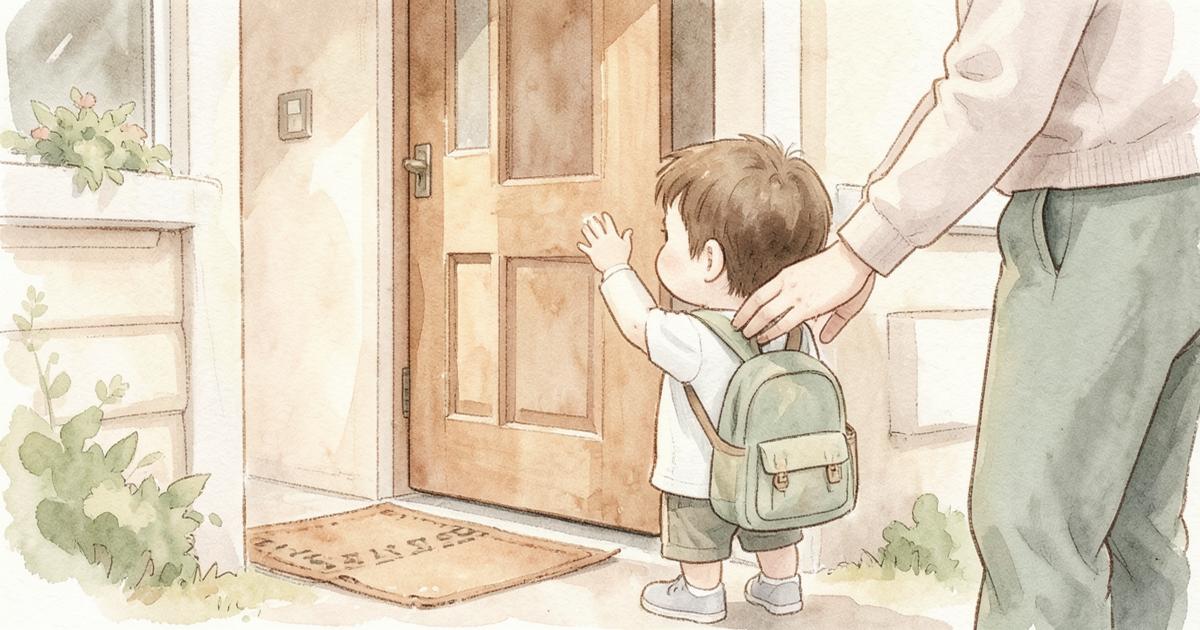
A Simple Goodbye Ritual for Moving Between Two Homes
A familiar goodbye can make transitions feel more predictable. A few small steps, repeated gently, give your child something steady to hold on to—even when there are tears.
3 min read
Everyday Life
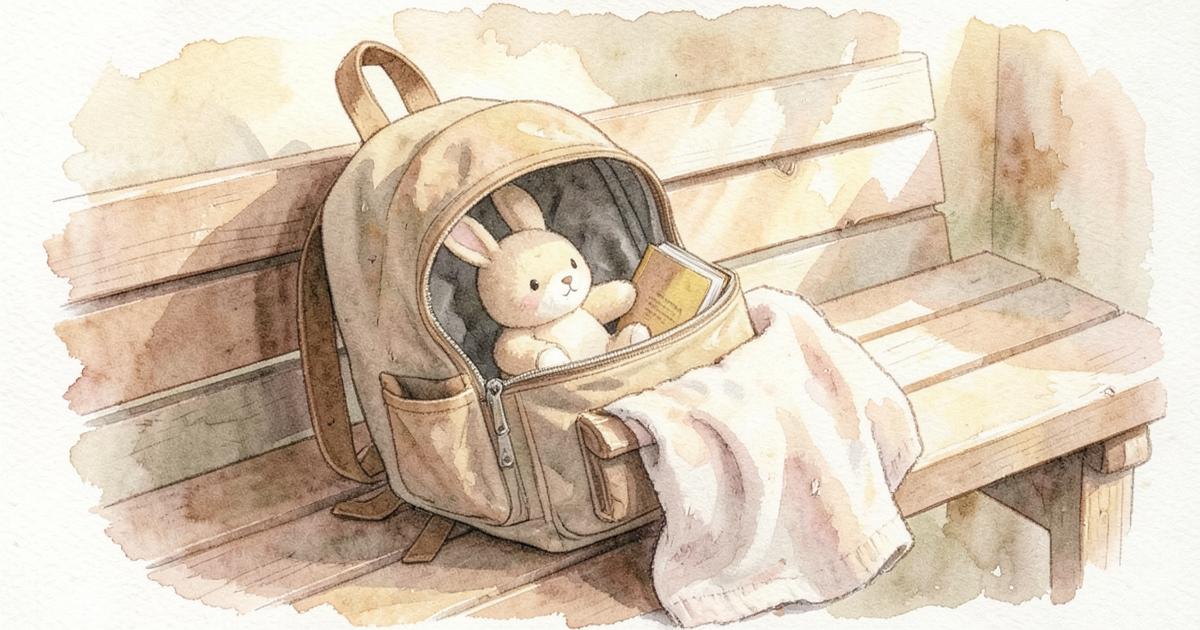
Comfort Items That Travel Between Two Homes
A familiar toy or book can bring a little continuity to different surroundings. Keep packing simple, follow your child’s preferences and leave responsibility for belongings with the adults.
3 min read
Everyday Life
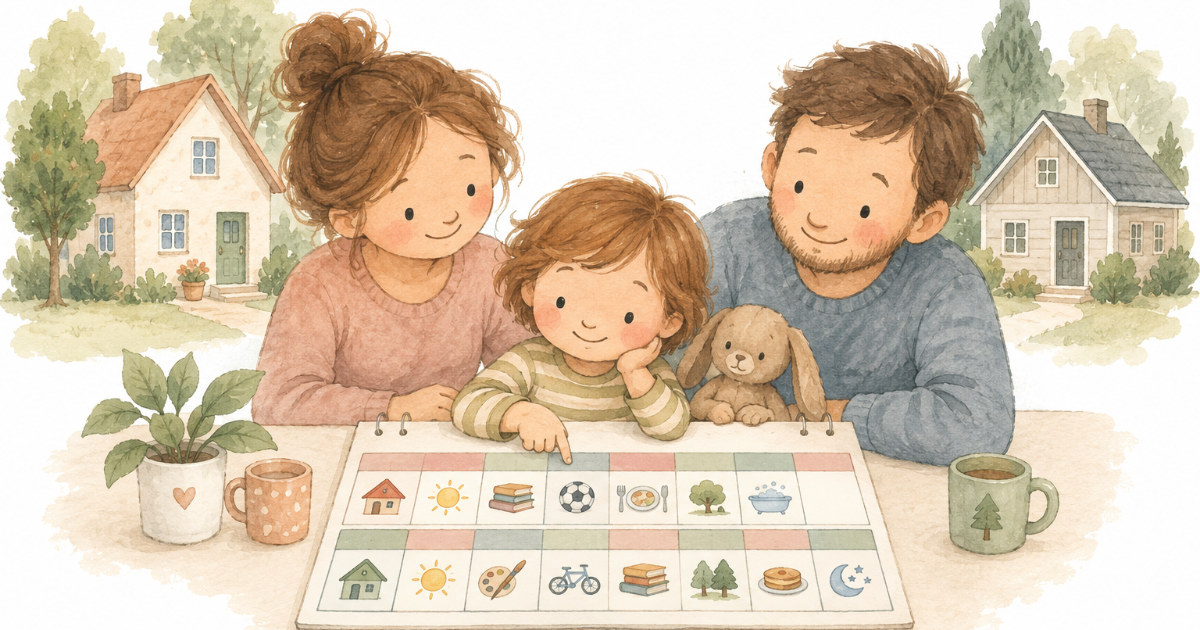
A Two-Home Calendar: Planning the Next Two Weeks
A simple visual plan can help your child see where they will sleep and what happens next. Start with confirmed arrangements, familiar symbols and only as much detail as they need.
3 min read
Transitions
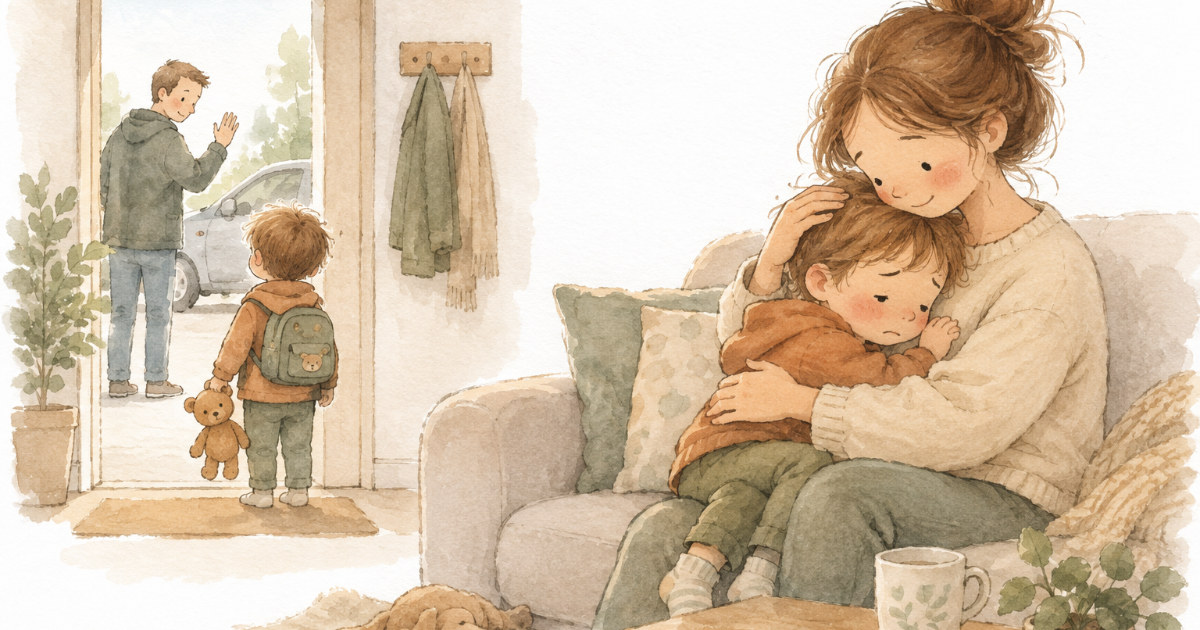
Big Feelings After Returning from the Other Parent’s Home
Tears, clinginess or irritability after a handover can have several causes. A quiet welcome, clear limits and attentive listening give your child room to settle without jumping to conclusions.
3 min read

Everyday Life
Helping Your Child Feel More Settled in Two Homes
Children do not need identical homes or perfectly calm parents. Familiar routines, honest explanations and room for feelings can make everyday changes easier to navigate.
3 min read
Conversations
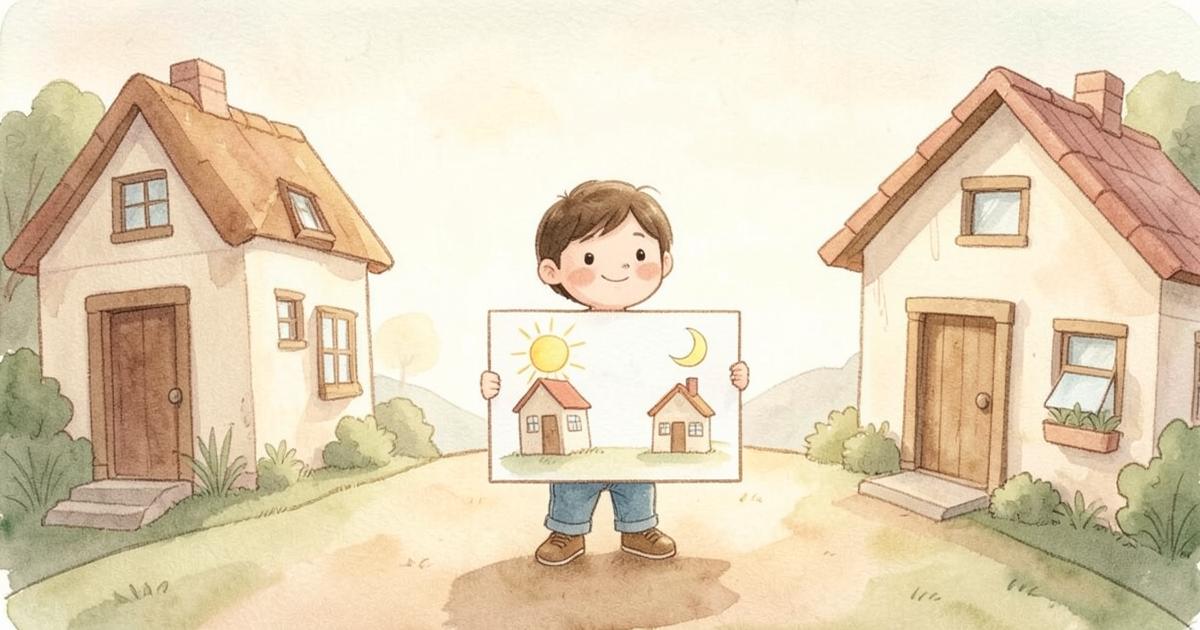
How to Talk to Your Child About Living in Two Homes
Short, honest conversations can help your child understand everyday life after separation. Repeat what matters, explain the next step and leave space for questions that return.
3 min read
Conversations
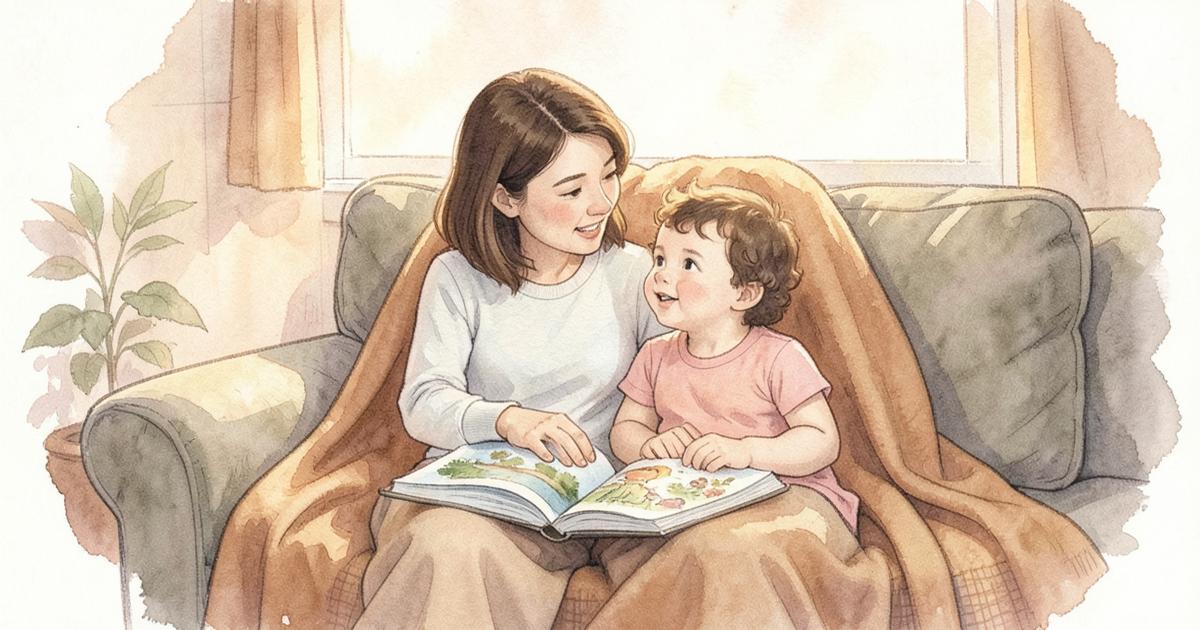
How to Tell Your Young Child About Separation
You do not need perfect words for this difficult conversation. Start with a simple explanation, reassure your child that they are not to blame and describe what will happen next.
3 min read

Conversations
How to Explain Separation to a 3, 4 or 5-Year-Old
Young children need simple explanations about their own day, not the history of an adult relationship. Use short, honest sentences, explain what happens next and keep reminding them that the separation is not their fault.
3 min read

Rituals
Sleep After Separation: When Bedtime Becomes Difficult
After separation, children may need more reassurance at bedtime or wake looking for a parent. A familiar evening routine, clear plans and a gradual approach to change can make nights more manageable.
3 min read
Co-parenting
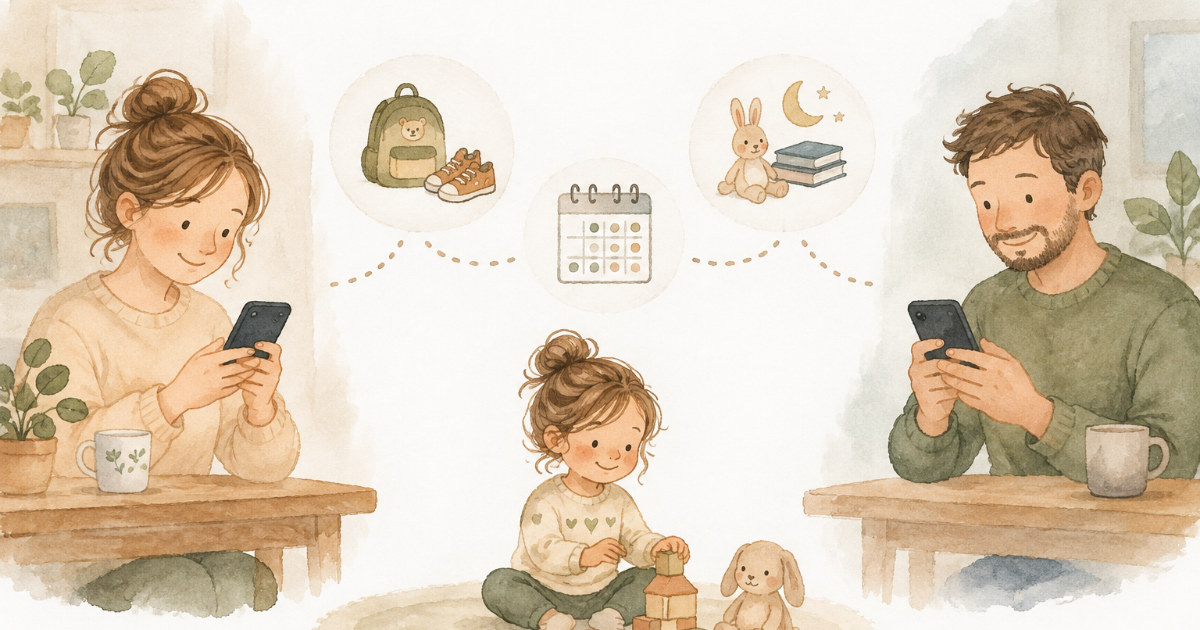
Calm Communication After Separation: Keeping Children Out of Conflict
Parents do not have to be friends to keep everyday communication focused on their child. Short messages, clear arrangements and adult-to-adult conversations can reduce the burden on young children.
3 min read
Transitions
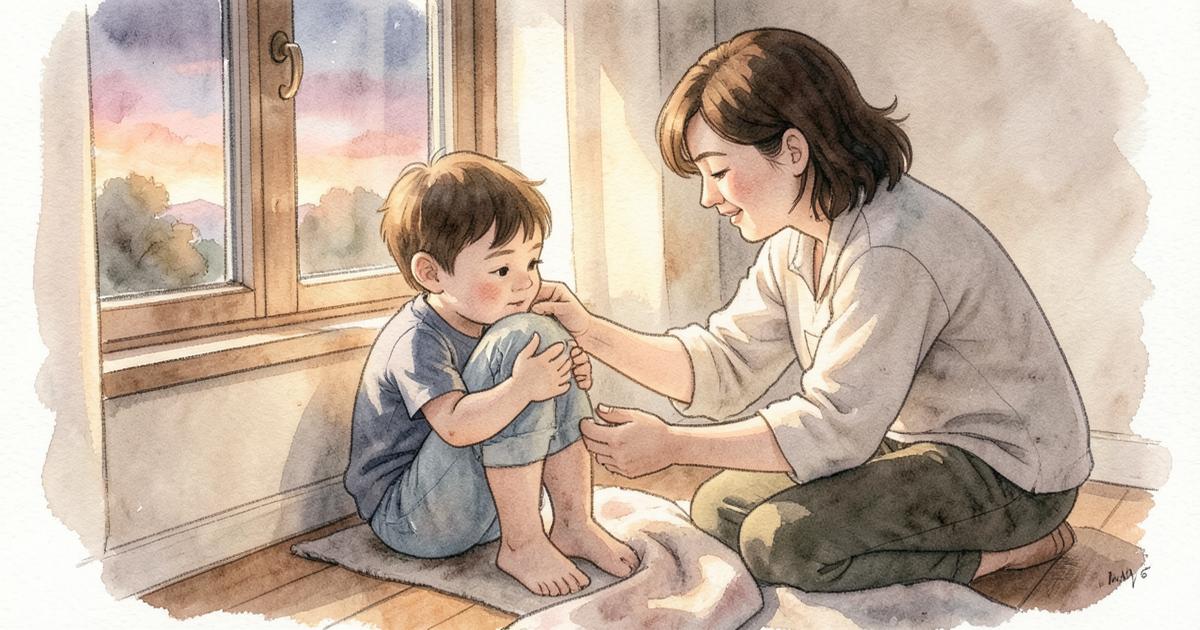
‘I Don’t Want to Go’: Helping a Child Who Resists a Handover
Resistance before a handover can reflect unfinished play, missing you or difficulty with the transition itself. Listen without jumping to conclusions, offer familiar steps and take any signs of fear or harm seriously.
3 min read
Emotions
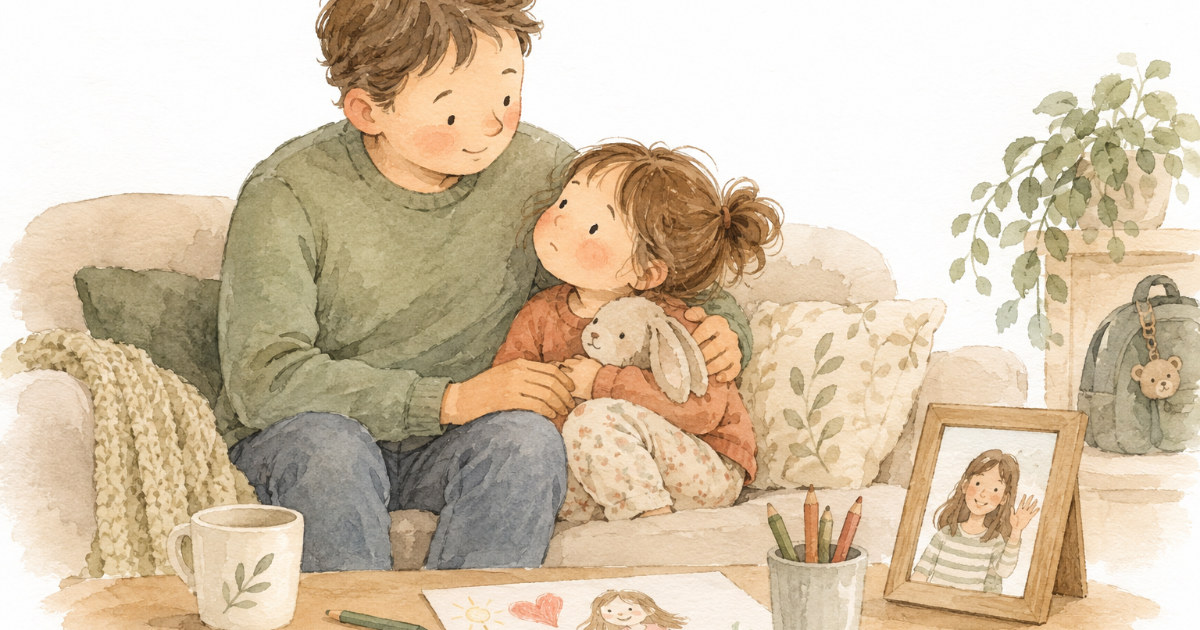
What to Say When Your Child Wants Their Other Parent
‘I want Mum’ or ‘I want Dad’ can hurt, especially when you are trying hard to help. Often it expresses missing someone, not rejecting you. Make room for the feeling and offer reassurance you can keep.
3 min read
Emotions
Understanding Your Child’s Emotions After Separation
Young children may show sadness, anger, worry or longing through behaviour as much as words. Their age offers clues, but steady attention to your individual child matters more than a checklist.
3 min read
Planning
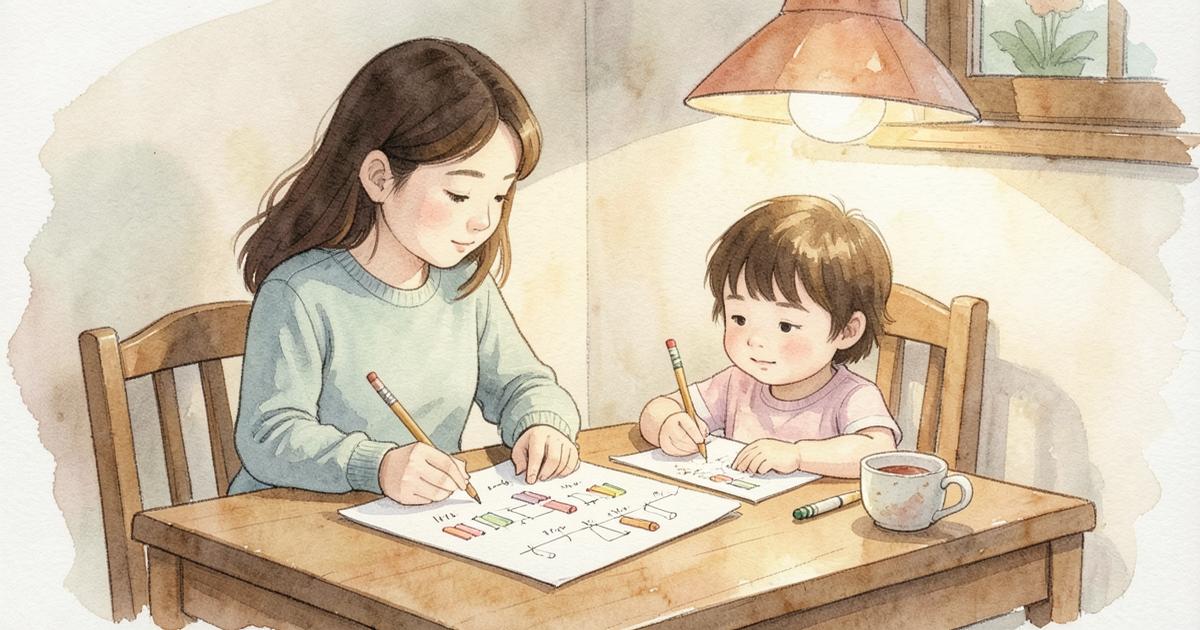
Planning Your Child’s Time Between Two Homes
A young child needs a plan they can understand, not a perfect-looking timetable. Use a simple visual calendar, predictable handovers and clear explanations when arrangements change.
3 min read