Everyday Life
Comfort Items That Travel Between Two Homes
My Calm Pack · 3 min read
In brief
A familiar toy or book can bring a little continuity to different surroundings. Keep packing simple, follow your child’s preferences and leave responsibility for belongings with the adults.
After separation, parents may try to make sure their child has everything in both homes: a bed, clothes, toys and bedtime essentials. That can make everyday life easier. Alongside those practical duplicates, some children appreciate a few familiar belongings that travel with them.
The same soft toy in a different bed, or the same book at bedtime, can offer a small thread of continuity. The surroundings change, but something familiar comes along. This is an option, not a requirement: children differ in what comforts them.
Let your child’s preferences guide you
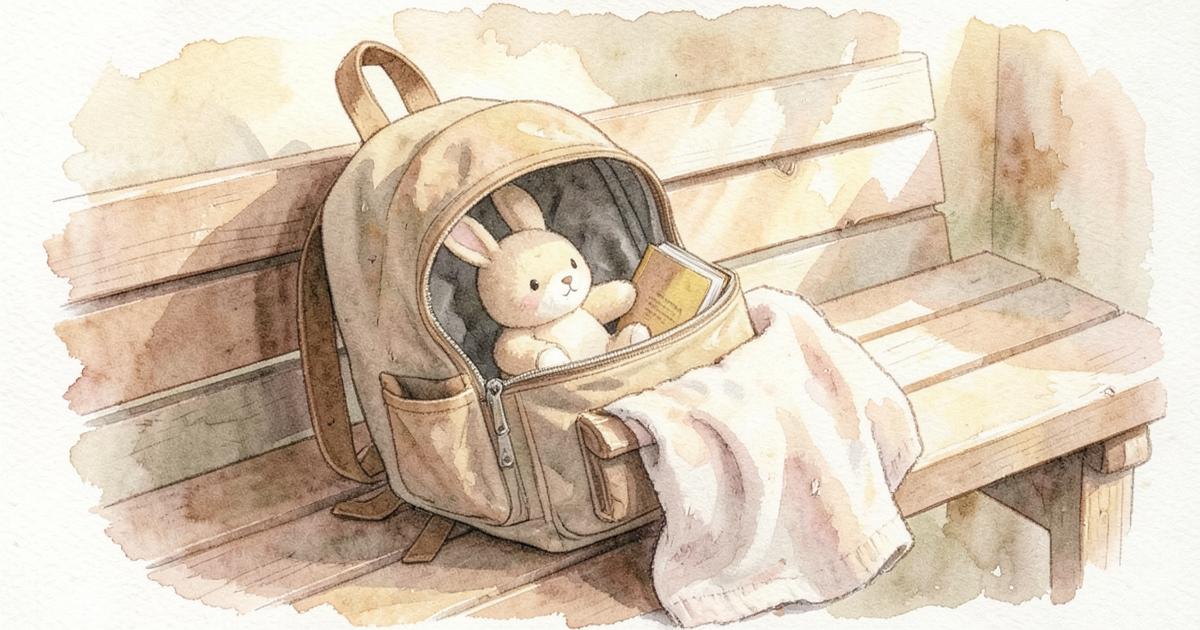
A favourite object does not need to be new, expensive or specially chosen by an adult. It might be a worn rabbit, a small blanket or a much-loved picture book.
Ask a simple question: ‘Would you like your bear to come with you?’ A younger child may show their choice by reaching for something. An older child might prefer to leave certain belongings in each home.
There is no universal rule that one travelling toy is better than two matching ones. Some children care deeply about having the original; others happily accept a duplicate. Follow what helps your child rather than making the object carry more meaning than it has for them.
Keep the bag manageable
Start with one comfort item and perhaps a book. A small, manageable bag can make choices less overwhelming, but adults should carry it if it is heavy or awkward.
You might say: ‘There’s room for your rabbit and one book. Which book would you like?’ Keep everyday necessities separate from optional choices, so your child is not deciding between comfort and clean clothes.
Invite participation without handing over responsibility. A two-year-old can put a rabbit into the bag; a six-year-old might help check its contents. Adults still need to check that important belongings are packed.
Make arriving familiar too
Once your child arrives, offer a predictable place for the travelling items: the rabbit on the bed, the book beside a chair. There is no need for a formal ceremony.
Try: ‘Shall we find a spot for your rabbit before we have a snack?’ This lets the object become part of settling in rather than another task to complete correctly.
When something gets left behind
A forgotten comfort item can feel like a big loss to a small child. Avoid blame, including comments about the other parent’s carelessness.
Say: ‘Rabbit is still at Mum’s. You really wanted him tonight.’ If a safe, practical arrangement can reunite them, consider it. Otherwise, offer a temporary alternative and an honest explanation of when the item may return. Do not promise a collection you cannot arrange.
Where communication is unsafe or conflict is high, avoid turning the object into a reason for direct contact. Use established arrangements and keep the child out of adult negotiations.
When to seek professional help
Wanting a comfort object is not itself a problem. Seek advice from your child’s doctor or a qualified child mental health professional if separation distress is persistent, severe or disrupting daily life. If fear relates to a specific person or home, listen carefully and seek appropriate safeguarding support rather than assuming a favourite toy will resolve it.
About this article
Prepared by My Calm Pack, a project created from a family’s lived experience of life between two homes. This is practical, everyday information, not therapy or medical advice, and does not replace professional support for your family.
Share this article