
Conversations
How to Tell Your Young Child About Separation
My Calm Pack · 3 min read
In brief
You do not need perfect words for this difficult conversation. Start with a simple explanation, reassure your child that they are not to blame and describe what will happen next.
Telling your child that you are separating can feel daunting. You may worry that one wrong sentence will make everything harder. You do not need a perfect script. Aim for a short, honest explanation and enough time to respond to whatever comes next.
Your tone and presence matter, but you do not have to feel completely calm. If you become tearful, you can say: ‘I’m sad, and I have grown-ups helping me. You do not need to look after me.’
Choose a manageable moment
Where possible, choose a quiet time when your child is not about to leave for nursery, school or bed. Leave some ordinary time afterwards for a snack, play or sitting together.
A joint conversation may help if both parents can speak safely and without conflict. It is not necessary when being together would expose your child to arguments, intimidation or fear. One parent can give a clear, caring explanation.
Agree on the practical information beforehand if cooperation is safe. Only share arrangements that are confirmed.
Start with the essentials
For a child aged 2–7, a first explanation might be:
‘We are going to live in different homes. This is a grown-up decision. Nothing you did or thought caused it, and it is not your job to change it. Tonight, you are sleeping here with me.’
Where it is true and appropriate, add: ‘We both love you, and we will both keep caring for you.’ Avoid guaranteeing that nothing will change or that your child will never lose contact with either parent. Some families face uncertainties or safety restrictions that make those promises impossible.
Mention a few things that will stay familiar, such as nursery, a grandparent’s visits or a bedtime story. Be specific rather than saying, ‘Everything will be fine.’
Expect different reactions
Your child might cry, get angry, ask about their toys or return to playing. There is no single reaction that shows they have understood or are coping well.
Respond to the concern in front of you. If they ask where their bed will be, answer that before offering more explanation. If they say nothing, leave the door open: ‘You can ask me questions now or another time.’
Repeated questions may be a way of checking what the change means. Answer as consistently as you can, while being honest when plans develop.
Use stories as a starting point, not a substitute
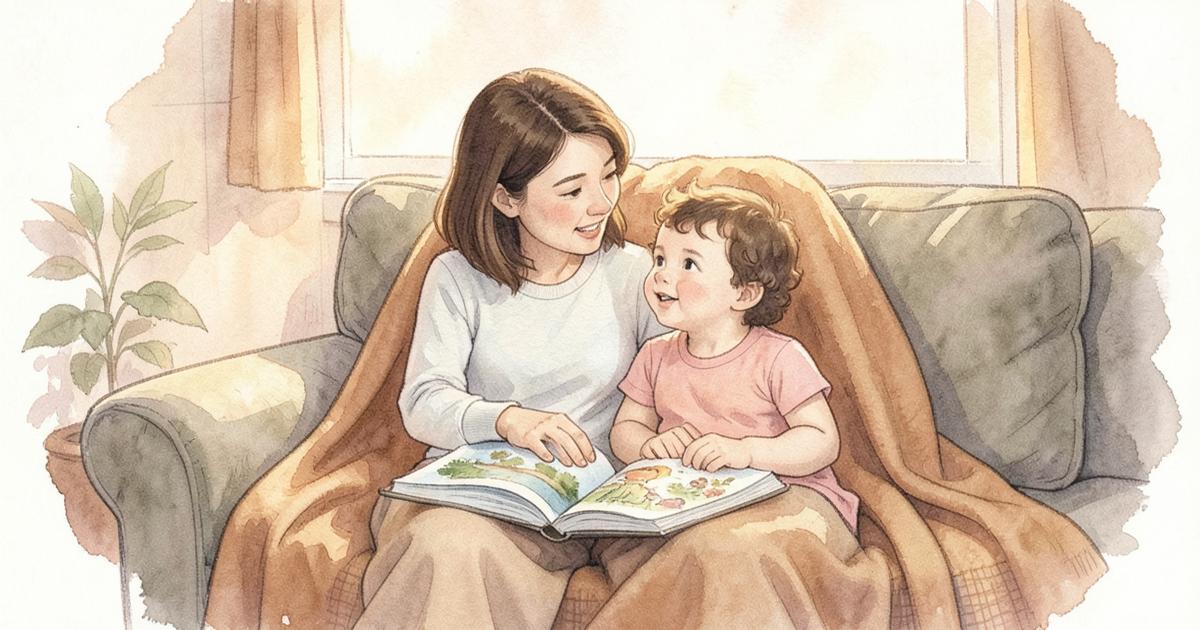
A simple story about characters living in different places can create space for conversation. You might ask: ‘What do you think that character is wondering?’
Then connect gently to real life. Stories cannot guarantee that a child feels reassured, and they should not replace clear information about their own family.
Avoid blame, adult relationship details and requests to choose sides. If safety concerns are involved, explain boundaries simply without asking your child to keep dangerous secrets or manage adult decisions.
When to seek professional help
Seek advice from your child’s doctor or a qualified child mental health professional if distress persists, intensifies or disrupts sleep, eating, play or attendance at nursery or school. Support can also help you prepare for a complicated conversation. For abuse, unsafe contact or immediate danger, seek appropriate safeguarding or emergency assistance promptly.
About this article
Prepared by My Calm Pack, a project created from a family’s lived experience of life between two homes. This is practical, everyday information, not therapy or medical advice, and does not replace professional support for your family.
Share this article