Rituals
A Simple Goodbye Ritual for Moving Between Two Homes
My Calm Pack · 3 min read
In brief
A familiar goodbye can make transitions feel more predictable. A few small steps, repeated gently, give your child something steady to hold on to—even when there are tears.
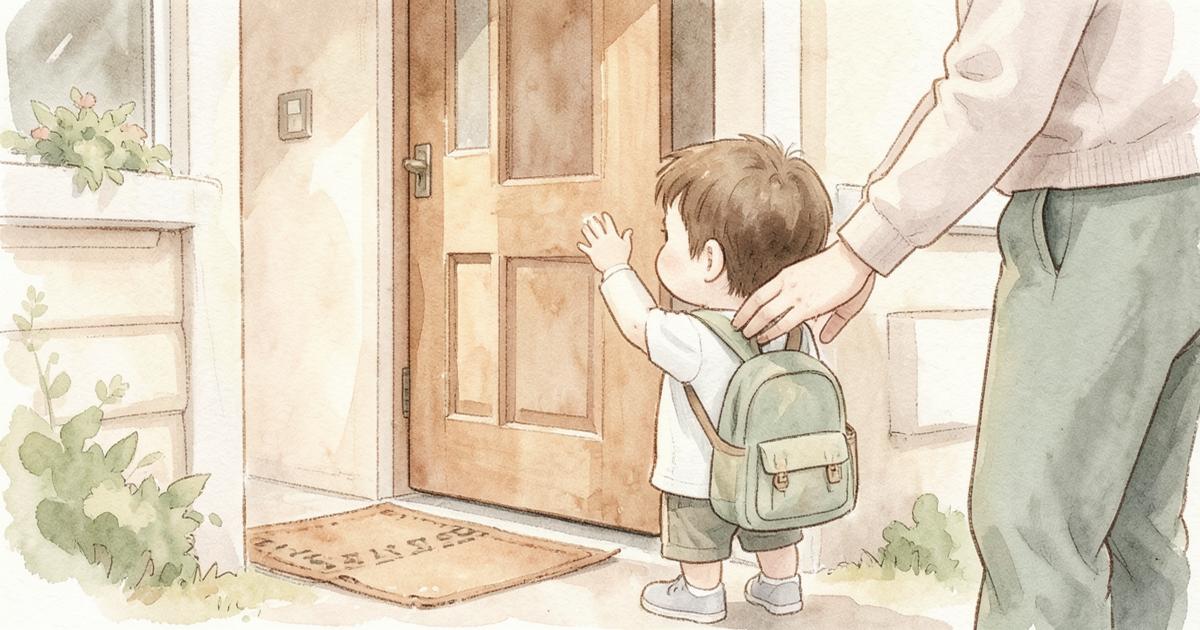
For a young child, moving between homes is more than a journey. It means stopping one activity, saying goodbye to one parent and settling into another place. Even a welcome visit can bring mixed feelings.
Children aged 2–7 may understand a sequence more easily than a date. ‘After breakfast, we’ll pack your bag and do our goodbye wave’ gives them something concrete to follow. A short ritual can support that understanding without requiring a long explanation.
Notice what happens before goodbye
Your child might suddenly need a snack, refuse their shoes or cry over a small disappointment. These reactions can reflect the effort of changing places, although hunger, tiredness and other concerns may also play a part.
Try not to assume that difficult behaviour is deliberate manipulation. Start with what you can see: ‘You’re finding it hard to get ready. I’ll help with your shoes.’ You can offer support while keeping the next step clear.
Choose three or four familiar steps
A useful ritual is simple enough to repeat on an ordinary, busy day:
- Pack together. Invite your child to put a favourite toy or book in their bag. Help as much as their age requires; remembering essentials remains an adult responsibility.
- Say a familiar sentence. For example: ‘You’re going to Dad’s now. I’ll see you after nursery tomorrow.’ Only promise arrangements you know are confirmed.
- Offer a connecting gesture. This might be a hug, a high-five or a wave through the window. Let your child decline physical affection.
- Mark the ending. ‘Our goodbye is finished. Now it’s time for the journey.’
Practise when things are calm. A two-year-old may need you to guide each step; an older child might enjoy choosing the goodbye words.
Leave room for tears
The aim is not to produce a cheerful departure every time. Your child can feel sad and still benefit from knowing what happens next.
Try: ‘You wish we could stay together longer. Saying goodbye feels hard.’ Pause, offer comfort and continue gently when appropriate. Avoid repeatedly restarting the goodbye, but do not rush past distress or treat the ritual as a rule that matters more than your child.
If you forget a step, repair it simply next time. Consistency helps; perfection is unnecessary.
Your ritual can belong to your home
The other parent does not need to use exactly the same goodbye. Each home can have its own familiar pattern. Where communication is safe, sharing practical details may help, but agreement is not a prerequisite for offering steadiness yourself.
If handovers involve intimidation, violence or concerns about your child’s safety, a ritual is not the solution. Follow relevant safety arrangements and seek advice rather than pressing ahead because a transition is scheduled.
When to seek professional help
Speak with your child’s doctor or a qualified child mental health professional if distress is intense, persists across transitions or affects sleep, eating or everyday activities. Listen carefully to specific fears about a person or place. If there is immediate danger, contact local emergency or child protection services.
About this article
Prepared by My Calm Pack, a project created from a family’s lived experience of life between two homes. This is practical, everyday information, not therapy or medical advice, and does not replace professional support for your family.
Share this article