
Planning
Planning Your Child’s Time Between Two Homes
My Calm Pack · 3 min read
In brief
A young child needs a plan they can understand, not a perfect-looking timetable. Use a simple visual calendar, predictable handovers and clear explanations when arrangements change.
For adults, a parenting schedule may mean dates, travel and work commitments. For a young child, the important questions are closer to home: Where will I sleep tonight? Who will collect me? When will I see you again?
A useful plan makes those answers easier to find. It does not have to look perfectly balanced on paper, and there is no single arrangement that suits every child. Safety, developmental needs and any legal arrangements come before a tidy calendar.
Make the plan visible
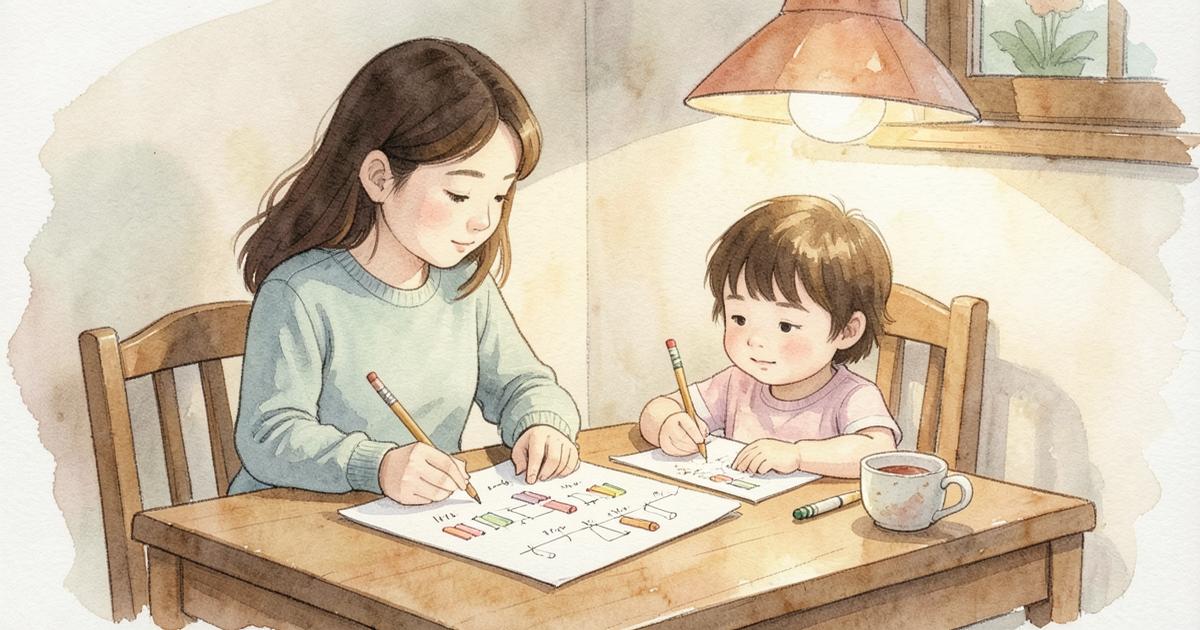
Use a simple calendar your child can see at their height. A week may be enough; some children can manage two weeks. If that feels confusing, show only today and tomorrow.
Choose symbols together: a small house, a parent’s photo or different colours for each home. Add only the events that matter to your child, such as nursery, a collection or a familiar activity.
Mark where they will sleep, not just where they will spend part of the day. Move a marker each morning and briefly name the next step: ‘Today is nursery, then Mum collects you.’
The calendar is an explanation, not a reward chart. Your child does not earn time with a parent through good behaviour.
Keep transitions predictable where possible
Consistent collection times and places reduce the number of things your child has to work out. Build in enough time for shoes, a toilet visit and a short goodbye rather than rushing through each step.
Use a small, repeatable ritual: pack a familiar toy, say goodbye and explain the immediate journey. Let your child help with an age-appropriate task, while adults remain responsible for essential belongings.
Avoid asking them to choose between parents. Small choices—such as which book to pack—offer participation without handing over an adult decision.
Explain changes as soon as you reasonably can
Plans sometimes change. Tell your child once the new arrangement is confirmed, using concrete words: ‘Dad cannot collect you today. Gran will come to nursery, and you will sleep here tonight.’
Acknowledge disappointment without blaming anyone. Update the visible plan so the picture matches your explanation.
If something remains uncertain, say so briefly and explain what is known. Repeatedly presenting possibilities as promises can make the calendar less trustworthy.
Aim for familiar anchors, not identical homes
Where cooperation is safe, a few shared details may help: a similar bedtime rhythm, familiar words at goodbye or a comfort object that travels.
Different homes can still have different meals, rooms and everyday rules. Explain your own expectations calmly rather than criticising the other household.
If direct cooperation involves threats, abuse or coercive control, prioritise specialist safety advice. Do not change protective arrangements simply to make the schedule more convenient. A visual plan can reflect supported or restricted contact just as clearly as other arrangements.
When to seek professional help
Review the plan with an appropriate professional if your child repeatedly becomes distressed around transitions or shows ongoing sleep, eating or behaviour changes. A child health professional can help consider their needs; a qualified family law adviser can explain legal options. Seek specialist safeguarding advice for unsafe contact or abuse, and emergency help for immediate danger. Do not wait for a calendar or routine to solve a safety problem.
About this article
Prepared by My Calm Pack, a project created from a family’s lived experience of life between two homes. This is practical, everyday information, not therapy or medical advice, and does not replace professional support for your family.
Share this article